
A comfortable indoor climate is essential for productivity, performance, and customer experience in modern businesses.
Whether it is an office, hospital, retail store, or large commercial building, the need for efficient temperature control, proper ventilation, and high indoor air quality has made HVAC systems a critical part of modern infrastructure.
In this guide, we will explain what HVAC is, how it works, and why it plays a crucial role in commercial spaces.
What is HVAC and How Does It Work?
HVAC stands for Heating, Ventilation, and Air Conditioning. It is a system designed to control indoor temperature, airflow, and air quality.
Heating
Maintains warmth during colder conditions and ensures a comfortable indoor temperature.
Ventilation
Circulates fresh air, removes pollutants, and improves indoor air quality.
Air Conditioning
Provides cooling and controls humidity levels for a comfortable environment.
Together, these components create a balanced and energy-efficient indoor climate.
Why HVAC is Important for Commercial Spaces
Commercial buildings require advanced cooling systems to manage large areas and multiple zones efficiently.
- Maintains consistent temperature across different spaces
- Improves indoor air quality and ventilation
- Enhances employee productivity and comfort
- Supports customer experience in retail and public areas
- Reduces long-term operational costs
Types of Commercial HVAC Systems
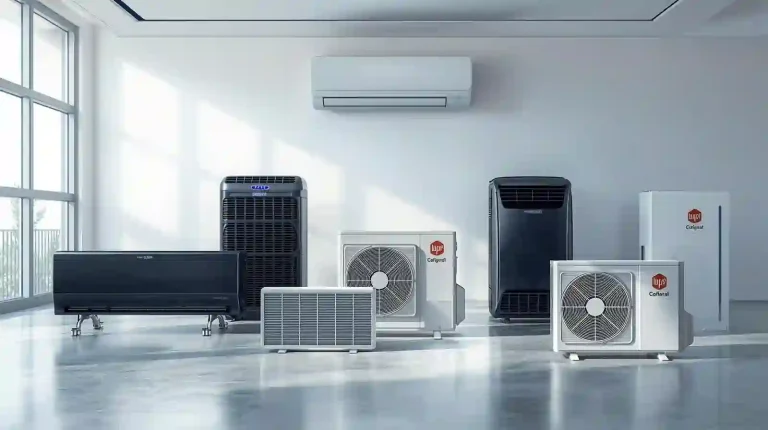
Modern businesses use different HVAC systems based on building size, layout, and cooling requirements.
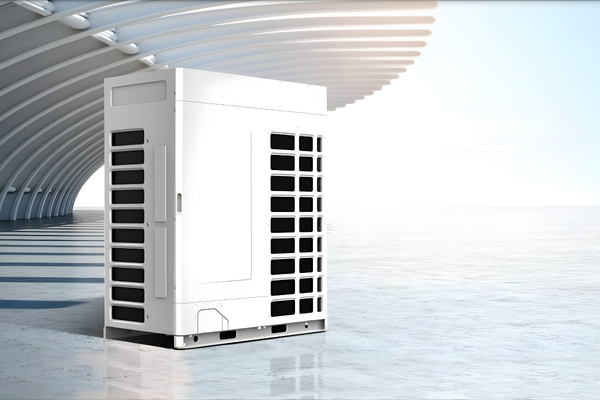
VRF / VRV Systems
Ideal for multi-zone cooling and large commercial environments.
Ductable AC Systems
Provides even air distribution across large spaces.
Chilled Water Systems
Used in large buildings for centralized cooling solutions.
AHU Systems
Improves airflow, ventilation, and indoor air quality.
Key Components of an HVAC System
A commercial HVAC system consists of multiple components working together to deliver efficient cooling and airflow.
- Compressors for cooling cycle operation
- Condensers for heat release
- Evaporators for cooling air
- Ductwork for air distribution
- Air handling units for airflow control
Energy Efficiency and Cost Savings
Energy-efficient HVAC systems help businesses reduce electricity costs and improve operational efficiency.
Lower Electricity Bills
Efficient systems consume less power and reduce monthly expenses.
Optimized Performance
Modern systems maintain consistent temperature with minimal energy usage.
Sustainability
Reduced carbon footprint supports eco-friendly operations.
Importance of Professional HVAC Design and Installation
Proper planning and system design are essential for achieving maximum efficiency.
- Heat load calculations based on building size
- Site analysis for airflow and layout
- System design and planning
- Testing and commissioning for performance
Professional installation ensures the system operates efficiently and reliably over the long term.
Role of Maintenance in HVAC Performance
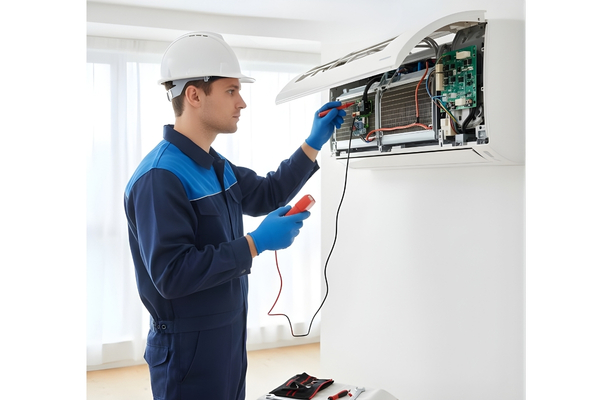
Regular maintenance is critical to keep HVAC systems running efficiently.
Preventive Maintenance
Identifies and resolves issues before they become major problems.
AMC Services
Ensures continuous system performance and reliability.
Performance Checks
Maintains optimal cooling and energy efficiency.
Detailed Summary
HVAC systems are the backbone of modern commercial infrastructure. They play a vital role in maintaining comfortable indoor environments, proper airflow, and efficient cooling.
Advanced HVAC systems such as VRF, ductable AC, chilled water systems, and AHU units are designed to handle large spaces with precision and efficiency.
With proper design, professional installation, and regular maintenance, businesses can achieve better performance, lower electricity costs, and long-term savings.
Conclusion
HVAC is not just a cooling system. It is a critical investment for commercial spaces that impacts comfort, efficiency, and business performance.
By choosing the right HVAC system and ensuring proper planning and maintenance, businesses can create a comfortable environment while optimizing operational costs.